
Imagine, on a sweltering summer day when your frozen drinks are up for sale, suddenly the power cuts off. This is not a mere scare; in fact, if you reside in an area with an unstable power supply and frequent power outages, you must be well-prepared for such situations. Otherwise, you will be driven insane by power failures and customer complaints due to spoiled food, warm beer, and melted ice cream.
Complaining customers not only affect your income at that moment but also tarnish your store's reputation in the local community.
There are numerous issues that lead to an unstable electricity supply or power outages, such as the following: The reasons for power outages typically include:
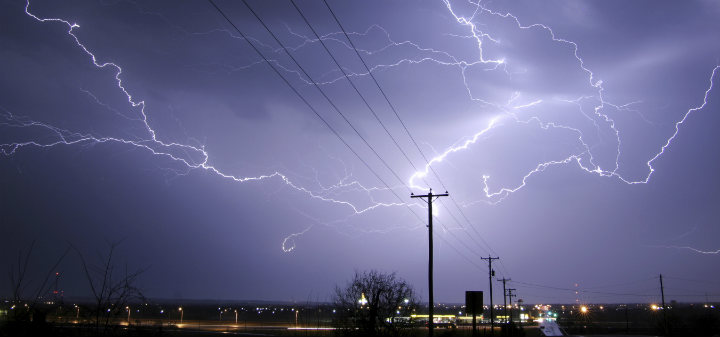
3. Overload of power demand: When electricity consumption exceeds the power supply capacity of the power grid, it might trigger the operation of the overload protection device, leading to power outages in certain areas.
4. Human operational errors: Misoperations by power workers during the operation and maintenance of power equipment could cause power outage accidents.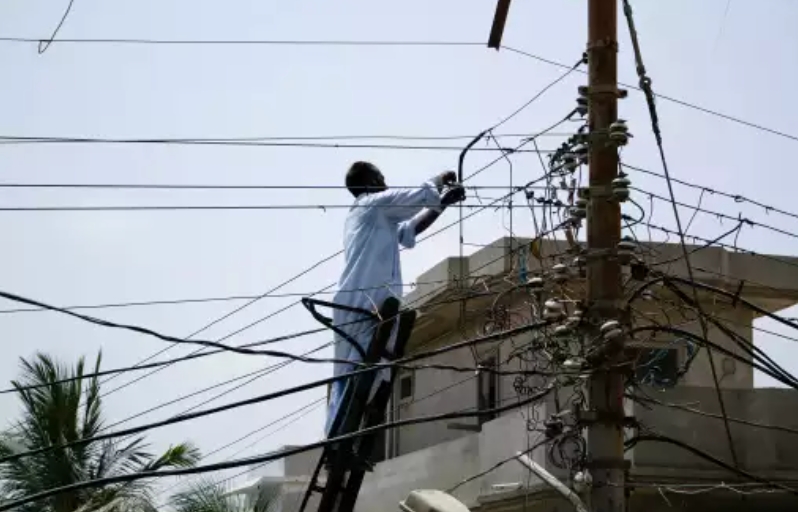
8. Unreasonable power grid planning: Unreasonable power grid layout, insufficient capacity, etc., make it challenging to meet the escalating power demand.
From the eight points listed above, it is evident that regardless of which one, it can adversely affect your business in the local area, especially during summer.
So, as an electricity consumer (local store owner), you can only be well-prepared to handle these sudden and uncontrollable power outages.
The following are several methods I have gathered that can assist you in dealing with sudden power outages:
1. Keep your freezer full: Always ensure your freezer is filled to the brim and minimize opening it. Because the food/drinks inside the freezer are excellent media for temperature storage. In the event of a power outage, they can remain at a relatively low temperature (if the freezer cannot be filled with drinks, you can place a few large bottles of water, as water is a good temperature-storing medium). Simultaneously, try to reduce the frequency of opening the freezer as each opening leads to heat loss.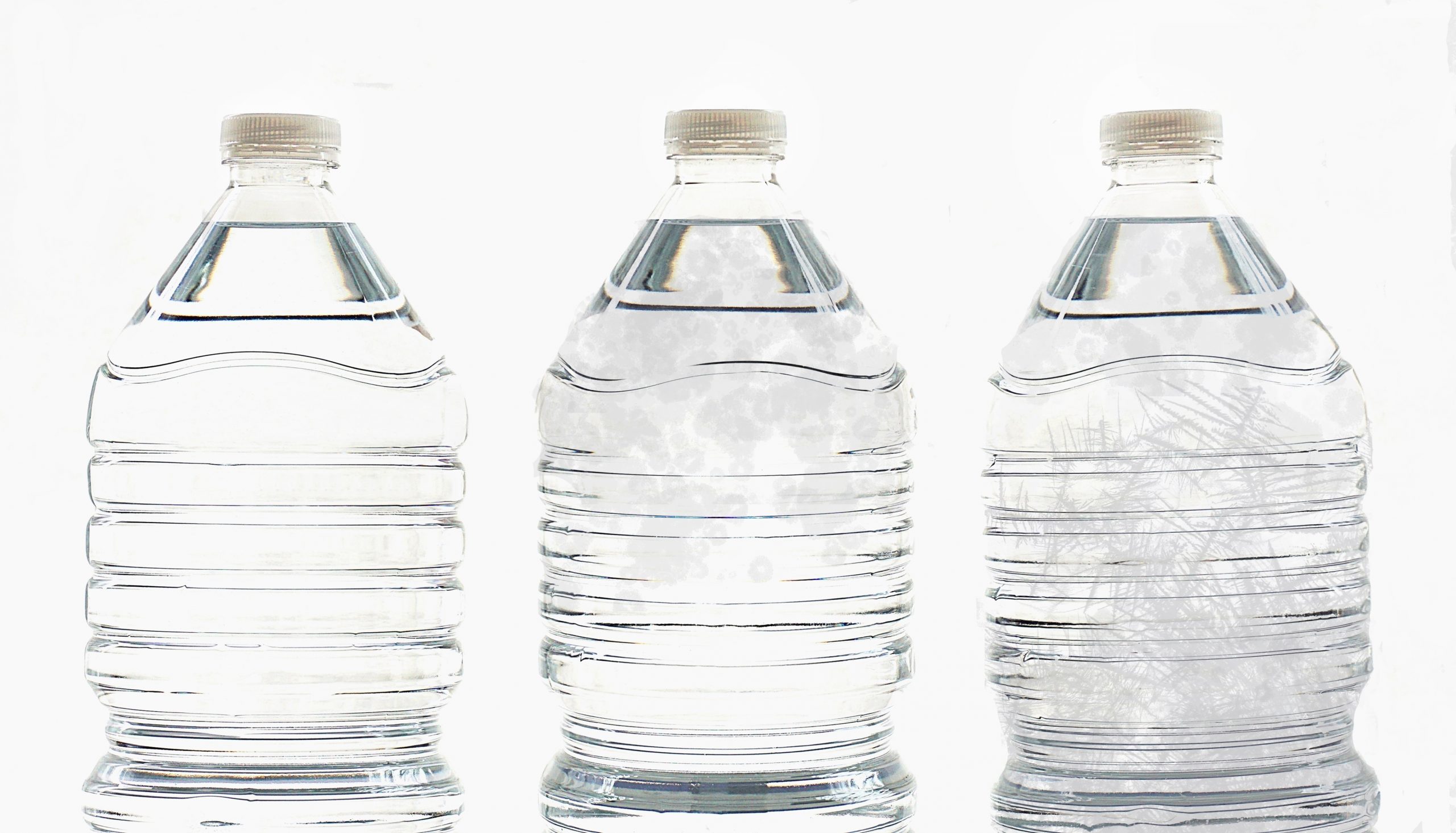
Advantages: It incurs almost no cost.
Disadvantages: You need to prepare an adequate amount of drinks or water. Since you need to reduce the number of times you open the freezer, it will impact the customer experience and can only function for a few hours at most.
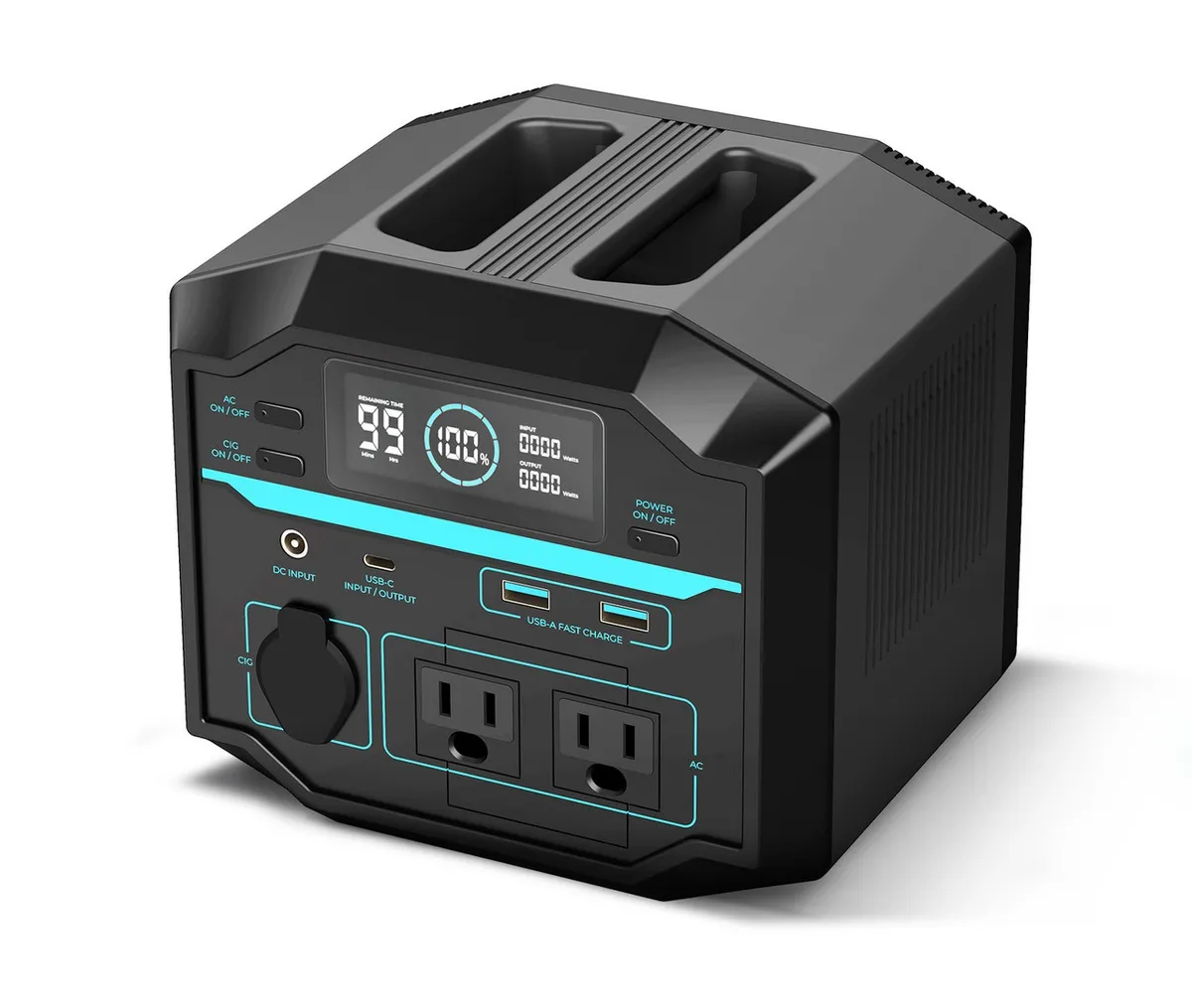
Advantages: It enables the freezer to function normally without being affected by power outages.
Disadvantages: You need to constantly monitor whether there is a power outage and whether the mobile power supply is fully charged. Additionally, the battery capacity of the mobile power supply directly influences the working hours of the freezer and it also entails a certain expense.
3. Use a solar-powered freezer: Yes, you can also opt for a solar-powered freezer specifically designed for areas prone to power outages. It can be powered by solar panels and on-grid electricity. When there is a power outage, it directly supplies power to the freezer.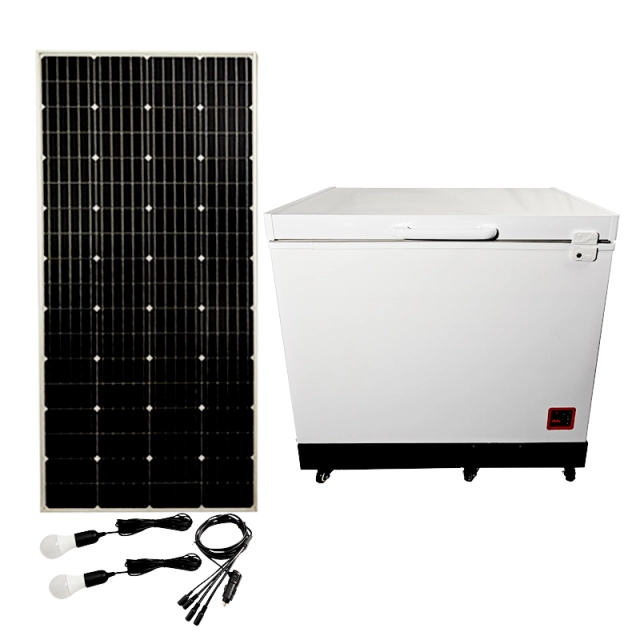
Take the Mindtech MRD208H model as an example. It has a capacity of 208L and is equipped with a 32V/290W solar panel and a built-in 1100Wh battery with a movable base (it only takes 6 hours to charge the battery with the solar panel, and the battery can supply power to the freezer for 27 hours).
*Of course, you can also DIY a solar-powered freezer yourself, but this involves certain risks, so it will not be elaborated here.
Advantages: It enables the freezer to be independent of mains electricity, saves the single-use cost, and the movable design makes it highly convenient to move.
Disadvantages: The cost is relatively high compared to a normal one as it includes solar panels, a battery, battery management systems, and the freezer. But when everyone else experiences a power outage and your store can provide cool beer and beverages through the solar-powered freezer and be sought after by all, perhaps it's all worth it.

